

- The Shincha Season in Japan
- What Is Shincha? Japan’s First Harvest Green Tea/a>
- Hachijuhachiya and the Changing Spring Season
- The History of Japanese Green Tea
- Tea Harvesting Culture and the “Chattsumi” Song
- Why Shincha Tastes So Special
- How to Brew Shincha (Japanese Green Tea) Properly
- Choosing Shincha by Region
- Where to Enjoy Shincha
- Final Thoughts: Experience the Taste of Japanese Spring
The Shincha Season in Japan
The most anticipated moment for tea lovers has arrived. Discover Shincha, the first flush of Japanese green tea available only once a year.
In Japan, the season for shincha arrives each spring.
Counting from the first day of spring, known as Risshun, the 88th night of spring, called Hachijuhachiya, marks the peak season for shincha, usually in early May.
Shincha picked around the time of Hachijuhachiya is considered a lucky and auspicious tea. It is traditionally said that drinking shincha brings good health and longevity for the year.
This day, known as Hachijuhachiya, is also considered a seasonal turning point marking the transition from spring to summer. In Japan, it has long been regarded as a lucky day to begin preparations for the coming summer.
What Is Shincha? Japan’s First Harvest Green Tea

Shincha refers to the first harvest of Japanese green tea made from the earliest young tea leaves of the year.
Japanese tea is typically harvested four times between spring and autumn. These harvests are called:
• First harvest (Ichibancha)
• Second harvest (Nibancha)
• Third harvest (Sanbancha)
• Fourth harvest (Yonbancha)
As the very first harvest of the year, shincha is also known as a “hatsumono” (first-of-the-season item) and is considered a symbol of good fortune.
Traditionally, people believe that drinking shincha helps maintain good health throughout the year. For this reason, shincha has long been treasured and is often chosen as a thoughtful seasonal gift for family members, friends, and loved ones.
Hachijuhachiya and the Changing Spring Season
Risshun, the first day of spring in Japan, usually falls around February 4 (sometimes February 3 depending on the year). Between Risshun and the spring equinox, warm southern winds begin to blow. When the weather stays mild, tea buds start to swell. Occasionally, cold northern winds return, causing the buds to shrink again. During this time, the tea buds patiently wait for the perfect moment to grow.
By April, fresh tea shoots finally begin to sprout. Tea fields then shine with a beautiful yellow-green color. The wide, glowing tea fields create a breathtaking landscape filled with vibrant new leaves, welcoming the arrival of spring.
The History of Japanese Green Tea
Green tea is one of the most familiar beverages in Japan, with origins dating back to the Nara and Heian periods. During this time, Japanese envoys traveled to China’s Tang Dynasty and brought back tea seeds, introducing tea cultivation to Japan.
In the early days, tea was a rare and valuable drink that only monks and members of the aristocracy could enjoy. Later, during the Muromachi and Azuchi-Momoyama periods, tea culture evolved with the development of wabi-cha and the tea ceremony (chanoyu). These traditions spread among wealthy merchants and samurai, becoming an important part of Japanese culture.
Tea Harvesting Culture and the “Chattsumi” Song

Have you ever heard the traditional Japanese song “Chattsumi”, which begins with the line:
“Summer is approaching, the 88th night…”
This song was created using melodies based on traditional tea-picking songs from regions such as Uji (Kyoto) and Nara. It was later introduced as an official educational song and is still included in elementary school music textbooks in Japan. Harvesting shincha is a truly special experience. Today, most tea leaves are harvested by machines, but in the past, tea picking was done entirely by hand.
Why Shincha Tastes So Special

As the first harvest of the year, shincha offers a unique flavor that later harvests cannot match. The delicious taste of shincha comes from its aroma, flavor, and nutritional content.
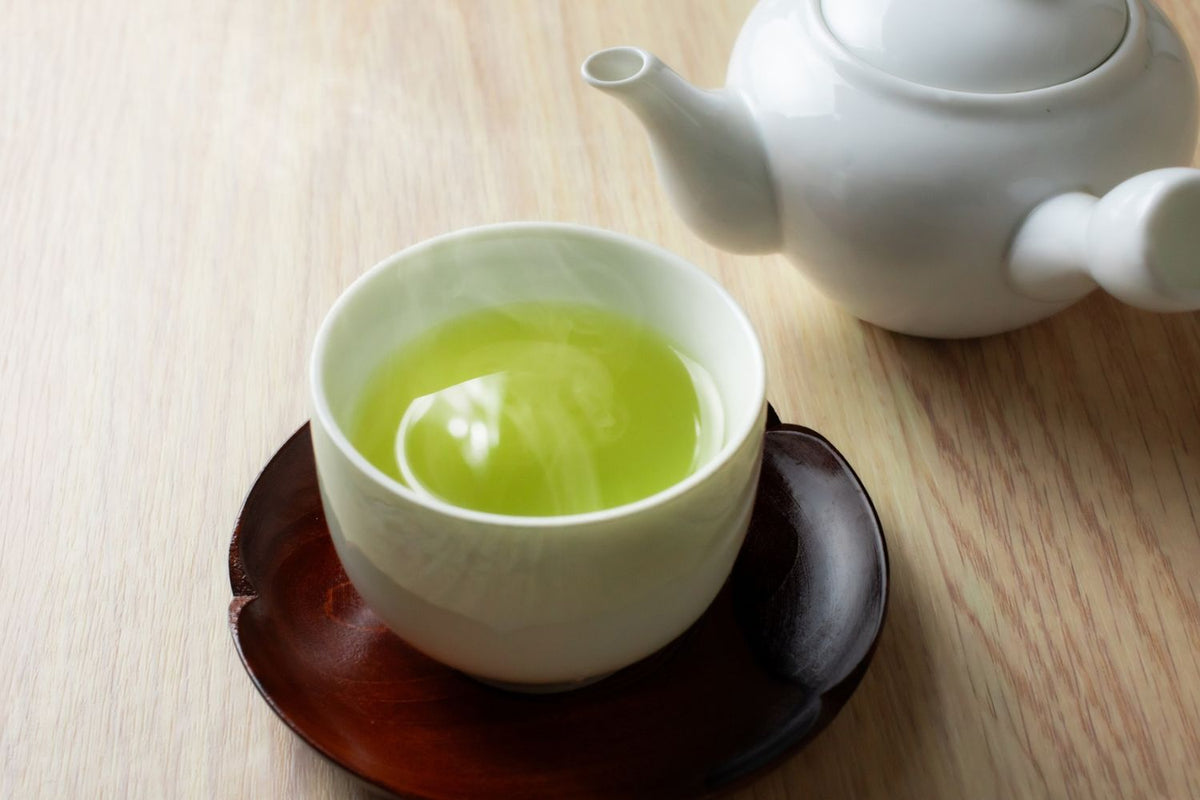
When poured into a teacup, shincha releases a fresh and refreshing aroma that is unique to young tea leaves. Because the leaves are tender and newly grown, they produce a bright and lively fragrance.
Shincha is known for its rich umami and gentle sweetness, with mild bitterness. These flavor characteristics are closely related to the nutrients found in the young leaves.
Shincha is known for its rich umami and gentle sweetness, with mild bitterness. These flavor characteristics are closely related to the nutrients found in the young leaves.
On the other hand, shincha contains relatively lower levels of catechins, a type of polyphenol responsible for bitterness. Catechins increase with sunlight exposure, so teas harvested later in the season tend to have stronger bitterness.
It is also known that the nutritional content of tea leaves is at its highest around the time of Hachijūhachiya. One of the most notable benefits of theanine is its potential to promote relaxation. Consuming theanine may help create a calm and relaxed feeling.
How to Brew Shincha (Japanese Green Tea) Properly

Follow these steps to enjoy the best flavor of shincha:
1. Add tea leaves to a teapot (About 2 teaspoons per person)
2. Pour hot water into teacups first and allow it to cool (150–200 ml (approx. 5–7 oz) per person, ideal temperature: 70–80°C / 158–176°F)
3. Pour the cooled water into the teapot (Steep for about 40 seconds)
4. Gently swirl the teapot 2–3 times to open the leaves
5. Pour into cups until the very last drop (Alternate between cups when serving multiple people)
Tips for Better Flavor
If you want to enjoy the rich umami of shincha, brew it slowly using slightly cooler water (around 70°C / 158°F) and use a slightly larger amount of tea leaves.
If you want to enjoy the rich umami of shincha, brew it slowly using slightly cooler water (around 70°C / 158°F) and use a slightly larger amount of tea leaves.
Japanese green tea has unique characteristics depending on the region where it is produced. Flavor can also vary by brand, so it is a good idea to explore teas from regions known for styles that match your taste preferences.
Shizuoka Tea
Tea from Shizuoka is known for its deep color and mild bitterness. It is especially suitable for those who enjoy fukamushi sencha (deep-steamed green tea) with a smooth and rich flavor.
Kagoshima Tea
For those who want to enjoy shincha as early as possible, tea from Kagoshima is an excellent choice. Thanks to its warm climate, Kagoshima begins harvesting shincha earlier than many other regions. Kagoshima tea is also known for its well-balanced sweetness and gentle astringency.
Kyoto Tea
If you would like to try premium tea with less bitterness and a strong umami taste, shincha from Kyoto is highly recommended. Kyoto teas are often appreciated for their refined sweetness and rich flavor.
Where to Enjoy Shincha
Shincha is typically available from April to May each year, and pre-orders often begin in late April at many online shops and tea stores.
In Japan, you can also enjoy shincha at:
In Japan, you can also enjoy shincha at:
• Japanese tea cafés
• Tea farms and specialty stores in regions such as Kyoto and Uji
• Tea shops located in department store food halls
Since shincha is a seasonal tea, its peak freshness passes after June.
To experience its unique, fresh flavor, it is best to enjoy shincha as early as possible.
Final Thoughts: Experience the Taste of Japanese Spring
Shincha is a special tea that captures the feeling of spring in Japan. Each year’s first cup reflects the beauty of nature and the traditions of Japanese culture.
This spring, why not enjoy a cup of shincha and experience the taste of the Japanese season?
We will continue to share enjoyable articles with you, so please stay tuned.

Tomomi
I am a former English teacher for children.I enjoy drawing and making crafts.I hope to share writing that gently conveys the charm and values of Japan.


