

Discover Nara: The Roots of Japanese History and Culture
Japan is home to many wonderful places to visit, and Nara is one of the best places to experience the country’s history, culture, and natural beauty.
Located east of Osaka, Nara Prefecture is known as an ancient capital with a history of more than 1,300 years. As the site of Japan’s first permanent capital, it is home to many National Treasures, Important Cultural Properties, and UNESCO World Heritage Sites. Nara City alone contains more than 1,000 cultural assets that help preserve Japan’s rich history.
In addition to its historic temples and shrines, Nara offers beautiful natural scenery, peaceful countryside landscapes, and traditional townscapes that reflect the atmosphere of old Japan. Nara Japan is a destination where visitors can experience both history and everyday local culture.
Many people associate Nara with Todaiji Temple and its famous deer. However, Nara Prefecture stretches from north to south and offers a variety of experiences depending on the area you visit.
Recommended Areas for First-Time Visitors
If this is your first trip to Nara, the Nara Park and Naramachi area is a great place to start. If you have extra time, consider exploring other areas based on your interests.
Many travelers begin their journey in central Nara before visiting quieter regions such as Nishinokyo, Ikaruga, Asuka, or Yoshino. Each area offers a different perspective on the history and culture of the region, making them worthwhile additions to any Nara Travel Guide.
Nara Park and Naramachi Area

This is the heart of sightseeing in Nara.
Historic landmarks such as Todaiji Temple, Kasuga Taisha Shrine, and Kofukuji Temple are all within walking distance. Visitors can also encounter the deer that have become a symbol of the city.
Naramachi developed as a temple town around Gangoji Temple and still preserves many traditional townhouses from the Edo and Meiji periods. Local cafés, restaurants, and specialty shops make this area enjoyable for both sightseeing and shopping.
The area is also home to renovated traditional cafés, local restaurants, unique shops, and stores selling regional specialties. Exploring Nara Park and Naramachi is often one of the highlights of a visit to Nara.
Each area of Nara has its own unique charm. Here are some of the most popular areas to explore.
Nishinokyo Area
The Nishinokyo area is ideal for travelers looking for a quieter side of Nara.
Historic temples such as Yakushiji Temple and Toshodaiji Temple preserve the culture of the Nara period. Visitors can walk through spacious temple grounds while appreciating Buddhist statues and architecture.
During summer, blooming lotus flowers add seasonal beauty to the surroundings and create a peaceful atmosphere for exploring the area.
Ikaruga Area
The Ikaruga area is centered around Horyuji Temple.
Historic temples stand among peaceful rural landscapes, creating a calm atmosphere that feels different from central Nara City.
For visitors interested in early Japanese history and architecture, Horyuji Temple is one of the most rewarding places to explore.
Asuka Area
Asuka is known as the region where some of Japan’s earliest capitals were established.
Historic sites such as Asukadera Temple and the Ishibutai Tomb offer insight into Japan’s early history. Exploring the countryside by rental bicycle is a popular way to enjoy the area.
The combination of historical sites and rural scenery makes Asuka a fascinating place to discover the roots of Historic Nara.
Yoshino Area
Located in southern Nara Prefecture, the Yoshino area is known for its beautiful mountain scenery and long spiritual history. The area includes peaceful villages, historic temples, and forested landscapes that offer a different side of Nara from the city center.
Visitors can enjoy nature throughout the year while exploring places that have been connected to Japanese faith and culture for centuries. Yoshino Area is an excellent destination for travelers who want to experience the quieter side of Japan.
Must-Visit Attractions in Nara
Todaiji Temple

Todaiji Temple was founded during the Nara period by Emperor Shomu.
Its Great Buddha Hall, one of the largest wooden buildings in the world, houses the Great Buddha of Nara, a statue of Vairocana Buddha, which stands approximately 15 meters tall. The scale of the hall and statue leaves a lasting impression on visitors.
Be sure to also see the impressive guardian statues at the Great South Gate. Visiting Todaiji Temple offers a deeper understanding of the religious and cultural history of ancient Japan.
Nara Park
Nara Park is one of the city’s most well-known attractions.
Within its spacious grounds, visitors can easily walk between Todaiji Temple, Kasuga Taisha Shrine, Kofukuji Temple, and other historic sites.
The park is beautiful throughout the year, with cherry blossoms in spring, fresh greenery in summer, colorful leaves in autumn, and crisp scenery in winter. Walking through Nara Park allows visitors to enjoy both nature and history at a relaxed pace.
Nara’s Deer: Sacred Symbols of Nara

One of the most memorable experiences in Nara is seeing the deer that freely roam around Nara Park.
These deer are much more than a tourist attraction. They are wild animals that have been protected for over 1,300 years and are closely connected to Nara’s history and religious traditions.
According to local legend, the deity enshrined at Kasuga Taisha Shrine arrived in Nara riding a white deer. Since then, deer have been regarded as messengers of the gods and have been carefully protected.
Today, around 1,400 deer live in and around Nara Park, and they are designated as a Natural Monument of Japan. Meeting the Nara Deer is one of the most unique experiences visitors can enjoy in Nara.
Try Feeding the Deer
One of Nara’s most popular activities is feeding the deer with special deer crackers known as shika senbei.
These crackers are made from wheat flour and rice bran, with no added sugar, and are produced specifically for the deer. Part of the proceeds from sales helps support deer conservation efforts.
Some deer have even learned to bow before receiving a cracker, a behavior that delights many visitors.
Kasuga Taisha Shrine

The shrine is home to around 3,000 stone and bronze lanterns, creating beautiful scenery throughout the year.
Because of its long connection with Nara’s sacred deer, visiting Kasuga Taisha Shrine provides a deeper understanding of the region’s traditions and beliefs.
Kofukuji Temple

Kofukuji Temple is part of the UNESCO World Heritage Site known as the Historic Monuments of Ancient Nara.
Its National Treasure Museum displays many important Buddhist statues, including the famous Ashura statue. Visitors can appreciate the beauty and craftsmanship of Japanese Buddhist art up close.
Gangoji Temple

Gangoji Temple traces its origins to Hokoji Temple, which was founded during the Asuka period.
Its National Treasure hall still contains roof tiles dating back approximately 1,400 years, offering visitors a tangible connection to Nara’s long history.
Yakushiji Temple

Yakushiji Temple is one of the representative temples of the Nishinokyo area.
Its beautifully symmetrical temple complex and the National Treasure East Pagoda are admired for their graceful design. The East Pagoda is sometimes called “Frozen Music,” a poetic expression that reflects the harmony and elegance of its architecture.
Walking through the spacious temple grounds offers a peaceful opportunity to appreciate the beauty of Nara-period architecture, Buddhist statues, and centuries of history.
Hokiji Temple

Hokiji Temple is closely associated with Prince Shotoku and is one of the Three Pagodas of Ikaruga, along with Horyuji Temple and Horinji Temple.
Every autumn, colorful cosmos flowers bloom around the temple, creating one of Ikaruga’s most beautiful seasonal landscapes. The historic three-story pagoda rising above the flowers makes this one of the area’s most picturesque views.
Hasedera Temple

Known as the “Temple of Flowers,” Hasedera is famous for its seasonal beauty.
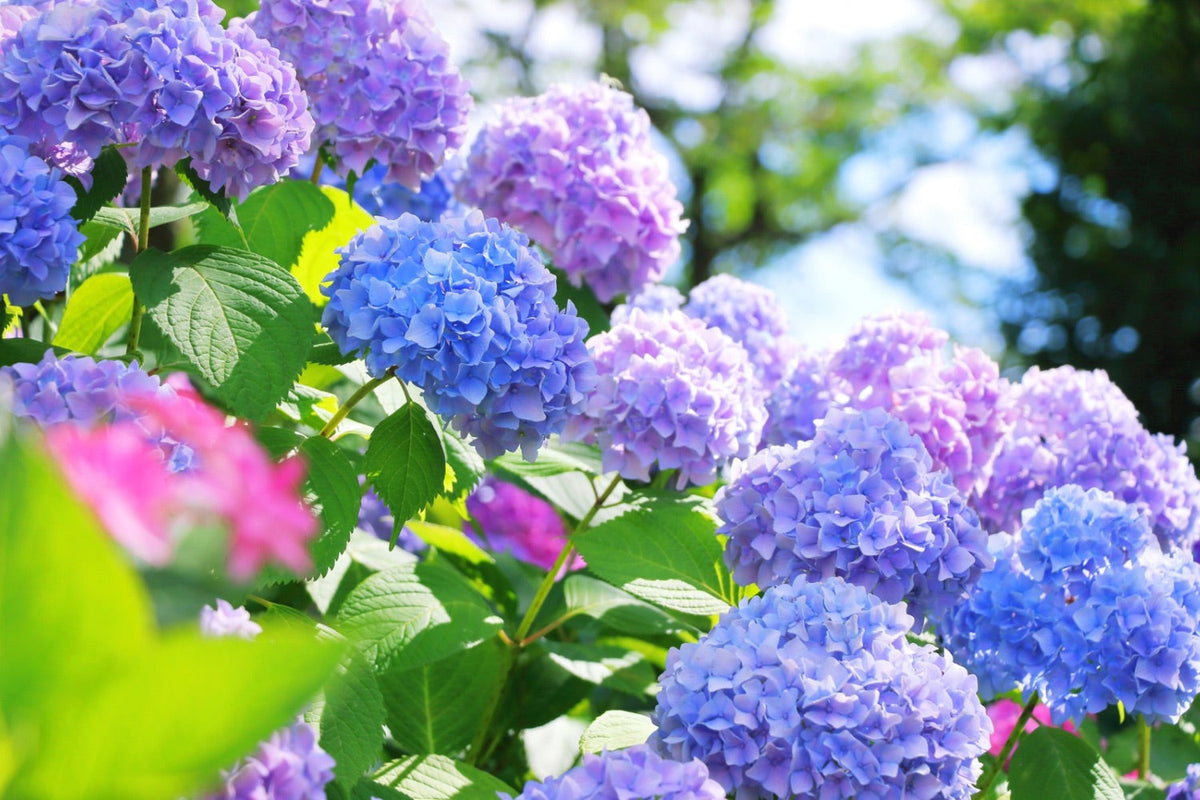
Cherry blossoms, peonies, hydrangeas, and autumn leaves bring color to the temple grounds throughout the year.
Its covered staircase, known as Noboriro, consists of 399 steps and is one of the temple’s most distinctive features. The views from the main hall are equally memorable.
Local Food to Try in Nara
Kakinoha Sushi

Kakinoha Sushi is one of Nara’s best-known local specialties.
This traditional pressed sushi is made with vinegared rice topped with mackerel or salmon and wrapped in a persimmon leaf. As the sushi rests, the fresh aroma of the persimmon leaf gently infuses the rice while enhancing the flavor of the fish.
Hiraso, a long-established restaurant in Naramachi, is well known for this local dish. Trying Kakinoha Sushi is one of the enjoyable Things to Do in Nara for food lovers.
Final Thoughts
Nara offers much more than deer and the Great Buddha. It is a place where history, culture, nature, and spiritual traditions continue to shape everyday life.
For a first visit, exploring Nara Park and Naramachi is a great starting point. If you have more time, consider visiting Horyuji Temple, Asuka, Hasedera Temple, or Mount Yoshino as well.
Whether you are interested in historic temples, traditional culture, beautiful landscapes, or local cuisine, Nara offers a variety of experiences throughout the year.
Take your time and discover more than 1,300 years of history, culture, and natural beauty in Nara, Japan.
We will continue to share enjoyable articles with you, so please stay tuned.

Tomomi
I am a former English teacher for children.I enjoy drawing and making crafts.I hope to share writing that gently conveys the charm and values of Japan.