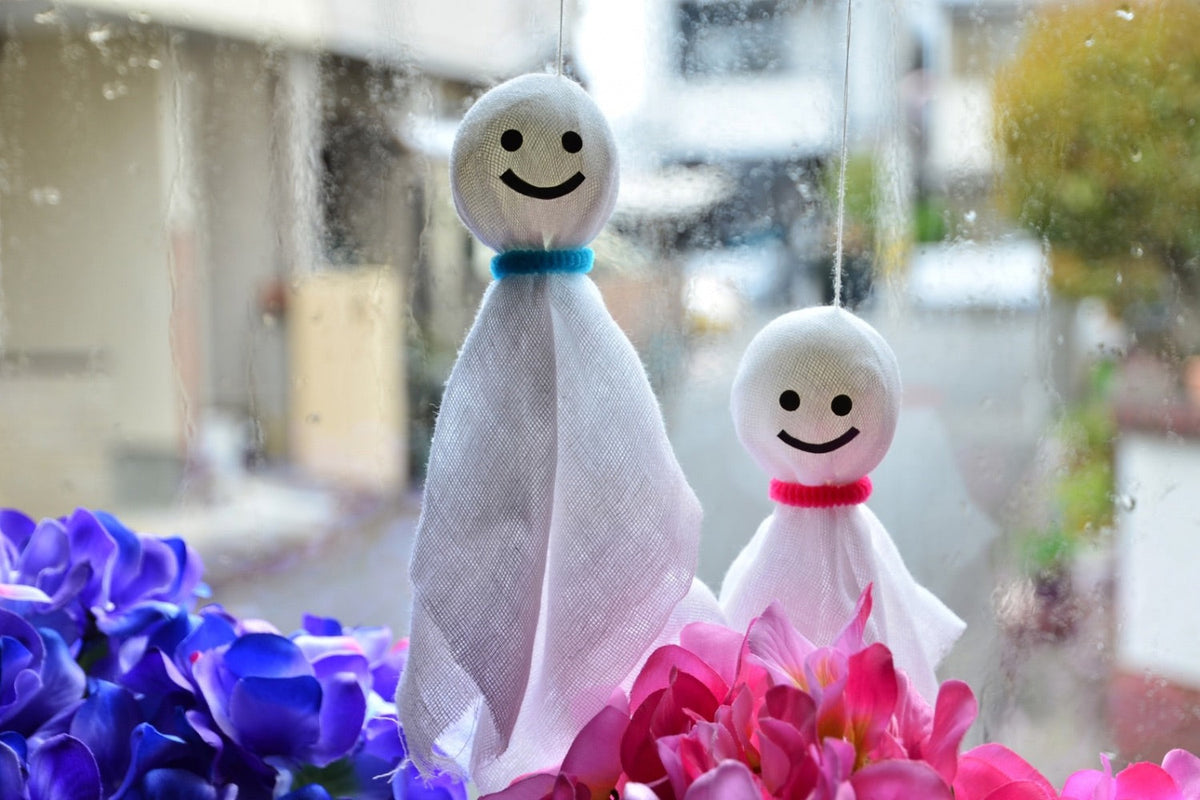

From June to July each year, Japan enters its rainy season, known as tsuyu. With frequent rainfall and cloudy skies, some travelers may wonder if this is really a good time to visit Japan.
However, for many Japanese people, the rainy season is also a special time to enjoy one of the country's most beloved flowers: hydrangeas.
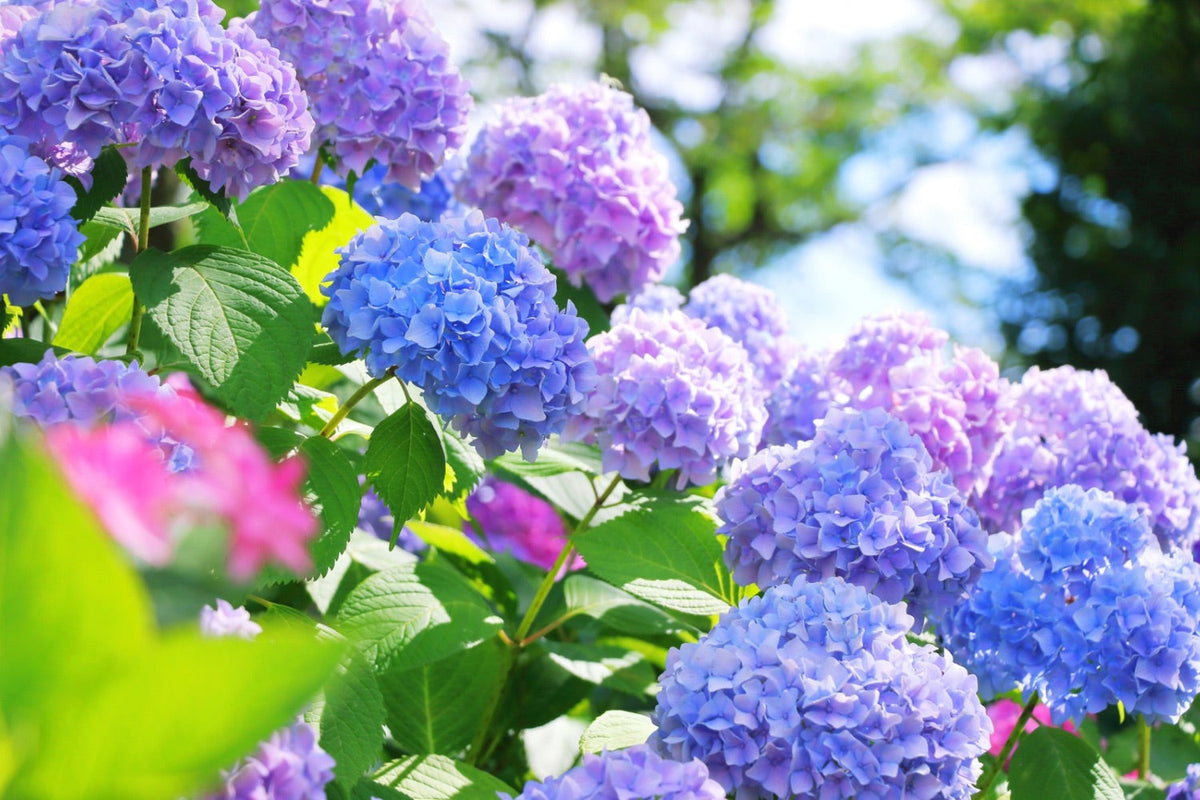
Covered in sparkling raindrops, hydrangeas create some of Japan's most beautiful early-summer landscapes. Temples, gardens, and parks burst into shades of blue, purple, pink, and white, attracting visitors who come to admire their seasonal beauty.
Let's explore why hydrangeas have been cherished in Japan for centuries.
Why Japanese People Love Hydrangeas
1. They Look Their Best on Rainy Days
Many flowers shine brightest under sunny skies, but hydrangeas are different.
When covered with raindrops, their colors appear richer and more vibrant. The moisture also helps the plants thrive, making the blooms look fresh and full of life.
This unique relationship with rain makes hydrangeas one of the symbols of Japan's rainy season.
2. Their Colors Can Change
One of the most fascinating features of hydrangeas is their ability to change color.
Hydrangeas can bloom in blue, purple, pink, or white, and the color often depends on the soil's pH level.
- Acidic soil → Blue flowers
- Alkaline soil → Pink flowers
Because much of Japan's soil is naturally acidic, blue hydrangeas are especially common throughout the country.
Hydrangeas also change color as they age, earning them the nickname "Seven Transformations" in Japan.
3. There Are Many Different Varieties
Japan is home to a wide range of hydrangea varieties.
- Hon-Ajisai (Traditional Hydrangea)
- Gaku-Ajisai (Lacecap Hydrangea)
- Yama-Ajisai (Mountain Hydrangea)
- Ko-Ajisai
Thanks to years of cultivation and breeding, visitors can now enjoy countless colors, shapes, and sizes of hydrangeas across Japan.
Each variety offers its own unique charm, making hydrangea viewing a new experience every year.
A Fun Hydrangea Fact
Most people think the colorful parts of a hydrangea are its petals, but that's actually not true.
The bright, showy parts are called sepals. The true flowers are the tiny blossoms found in the center.
This unusual structure is just one of the many reasons hydrangeas are so fascinating.
The Meaning of Hydrangeas in Japan
In Japan, hydrangeas carry several symbolic meanings.
Positive meanings include:
- Family Harmony
- Togetherness
- Enduring Love
- Perseverance
- Family Harmony
- Togetherness
- Enduring Love
- Perseverance
Because many small flowers come together to form one large bloom, hydrangeas are often associated with strong family bonds and unity.
There is also a less positive meaning:
- Fickleness
This comes from the flower's tendency to change color over time.
Hydrangeas and Japanese History
Hydrangeas are native to Japan and have been loved for over a thousand years.
They even appear in the Manyoshu, Japan's oldest collection of poetry, which dates back to the Nara Period.
Today, hydrangeas can be found throughout the country and are considered one of the most iconic flowers of early summer in Japan.
Beautiful Hydrangea Spots in Japan
Japan is home to many beautiful hydrangea destinations, each offering its own unique atmosphere. From historic temples to mountain gardens, these spots showcase the beauty of hydrangeas during the rainy season.
Katsuo-ji Temple (Osaka)
Best Viewing: Early June to Mid-July

Nestled in the lush mountains of northern Osaka, Katsuo-ji Temple is known as the "Temple of Victory." People visit to pray for success in school, business, sports, and personal goals.
During hydrangea season, colorful blooms line the pathways and temple grounds. Shades of blue, purple, pink, and red create a stunning contrast against the temple's bright vermilion buildings.
Another unique feature of Katsuo-ji is its thousands of daruma dolls, symbols of perseverance and success. Together, the hydrangeas and daruma create a uniquely Japanese landscape that feels both vibrant and peaceful.
Why Visit?
Enjoy a uniquely Japanese scene where colorful hydrangeas bloom alongside countless daruma dolls.
Hasedera Temple (Nara)
Best Viewing: Early June to Early July


Known as the "Temple of Flowers," Hasedera Temple is one of Nara's most famous seasonal attractions.
During hydrangea season, more than 2,500 hydrangea plants representing over 40 varieties bloom throughout the temple grounds. One of the highlights is the Hydrangea Path, where visitors can stroll among vibrant flowers covering the mountainside.
The temple's long covered corridor, known as Noboriro, allows visitors to enjoy the scenery even on rainy days. Watching hydrangeas through the gentle mist and rainfall creates a truly magical atmosphere.
Why Visit?
Experience breathtaking mountainside hydrangeas while staying comfortable even on rainy days.
Michinoku Hydrangea Garden (Iwate)
Best Viewing: Late June to Late July

Located within a vast cedar forest in northern Japan, Michinoku Hydrangea Garden is one of the country's largest hydrangea destinations.
The garden features approximately 50,000 hydrangea plants representing around 400 varieties. Walking trails wind through the forest, allowing visitors to enjoy an incredible diversity of colors, shapes, and sizes.
One of the garden's most famous attractions is the Hydrangea Pond. Near the end of the blooming season, thousands of freshly cut hydrangea blossoms are floated on the water, creating a breathtaking mosaic of blue, pink, purple, and white.
This dreamlike scene has become one of Japan's most photographed hydrangea attractions.
Why Visit?
Explore one of Japan's largest hydrangea forests and witness the spectacular Hydrangea Pond.
Kumano Nachi Taisha (Wakayama)
Best Viewing: Mid-June to Late June

Kumano Nachi Taisha is part of the UNESCO World Heritage Site known as the Sacred Sites and Pilgrimage Routes in the Kii Mountain Range.
Each June, approximately 3,000 hydrangea plants bloom around the shrine grounds, adding vibrant color to the sacred landscape. The combination of ancient spiritual traditions, lush forests, and seasonal flowers creates a peaceful and unforgettable experience.
Every year on June 14, the shrine hosts a special Hydrangea Festival, where the flowers are offered in gratitude for nature's blessings and prayers are made for visitors' health and well-being.
Japan's rainy season may not seem like the most obvious time to visit, but it offers a unique opportunity to experience one of the country's most beloved seasonal traditions.
From color-changing blooms to peaceful temple gardens, hydrangeas bring beauty and charm to even the rainiest days.
Across the country, visitors can discover a wide variety of hydrangea landscapes, from historic temples and mountain trails to sacred shrines and forest gardens.
Whether you're exploring historic temples, walking through forest trails, or discovering UNESCO World Heritage sites, hydrangea season offers a special way to experience Japan's natural beauty and culture.
If you're planning a trip to Japan between June and July, consider adding a hydrangea spot to your itinerary. You may discover a side of Japan that many travelers never get to see.
Experience the Beauty of Japan's Rainy Season
Japan's rainy season may not seem like the most obvious time to visit, but it offers a unique opportunity to experience one of the country's most beloved seasonal traditions.
From color-changing blooms to peaceful temple gardens, hydrangeas bring beauty and charm to even the rainiest days.
Across the country, visitors can discover a wide variety of hydrangea landscapes, from historic temples and mountain trails to sacred shrines and forest gardens.
Whether you're exploring historic temples, walking through forest trails, or discovering UNESCO World Heritage sites, hydrangea season offers a special way to experience Japan's natural beauty and culture.
If you're planning a trip to Japan between June and July, consider adding a hydrangea spot to your itinerary. You may discover a side of Japan that many travelers never get to see.
We will continue to share enjoyable articles with you, so please stay tuned.

Tomomi
I am a former English teacher for children.I enjoy drawing and making crafts.I hope to share writing that gently conveys the charm and values of Japan.